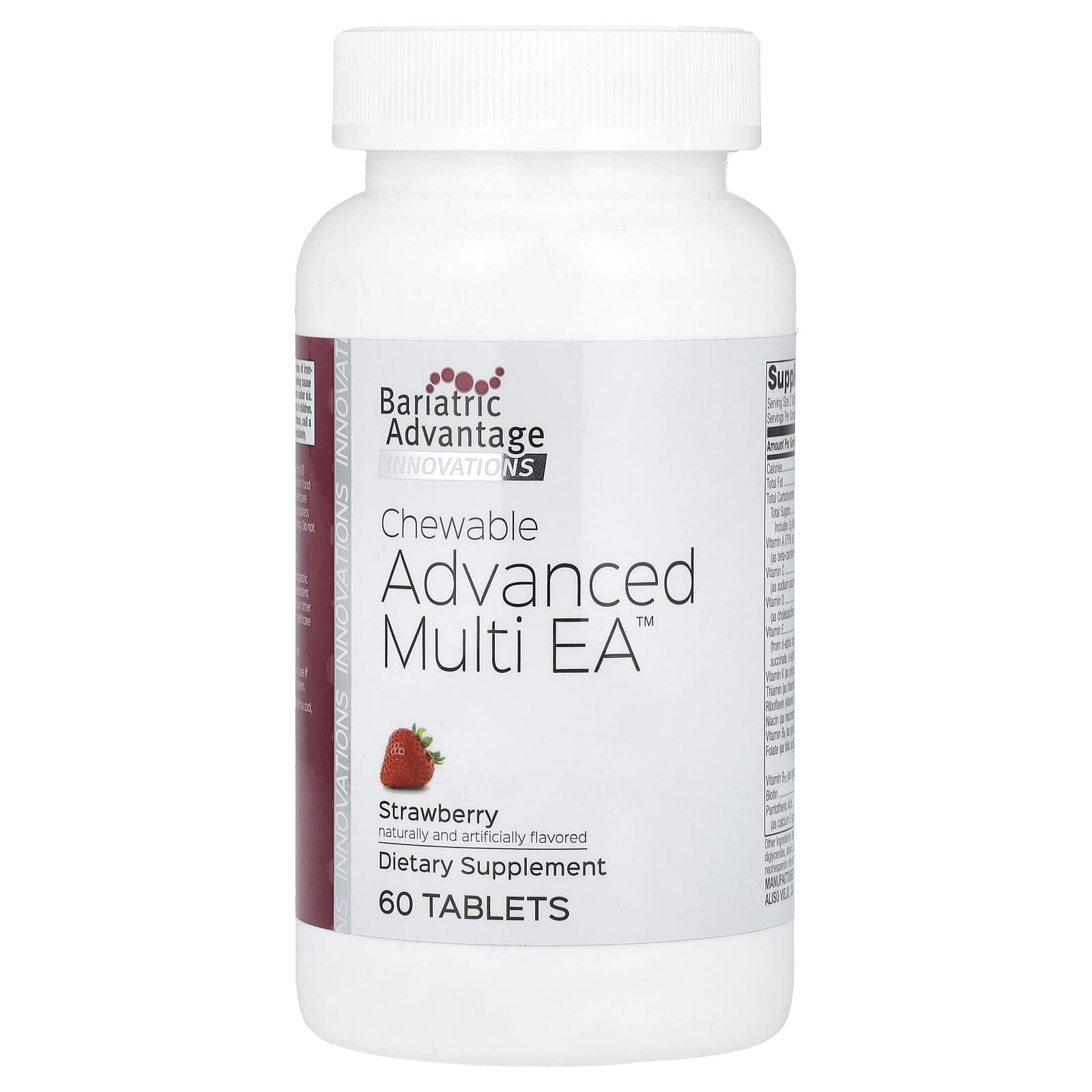
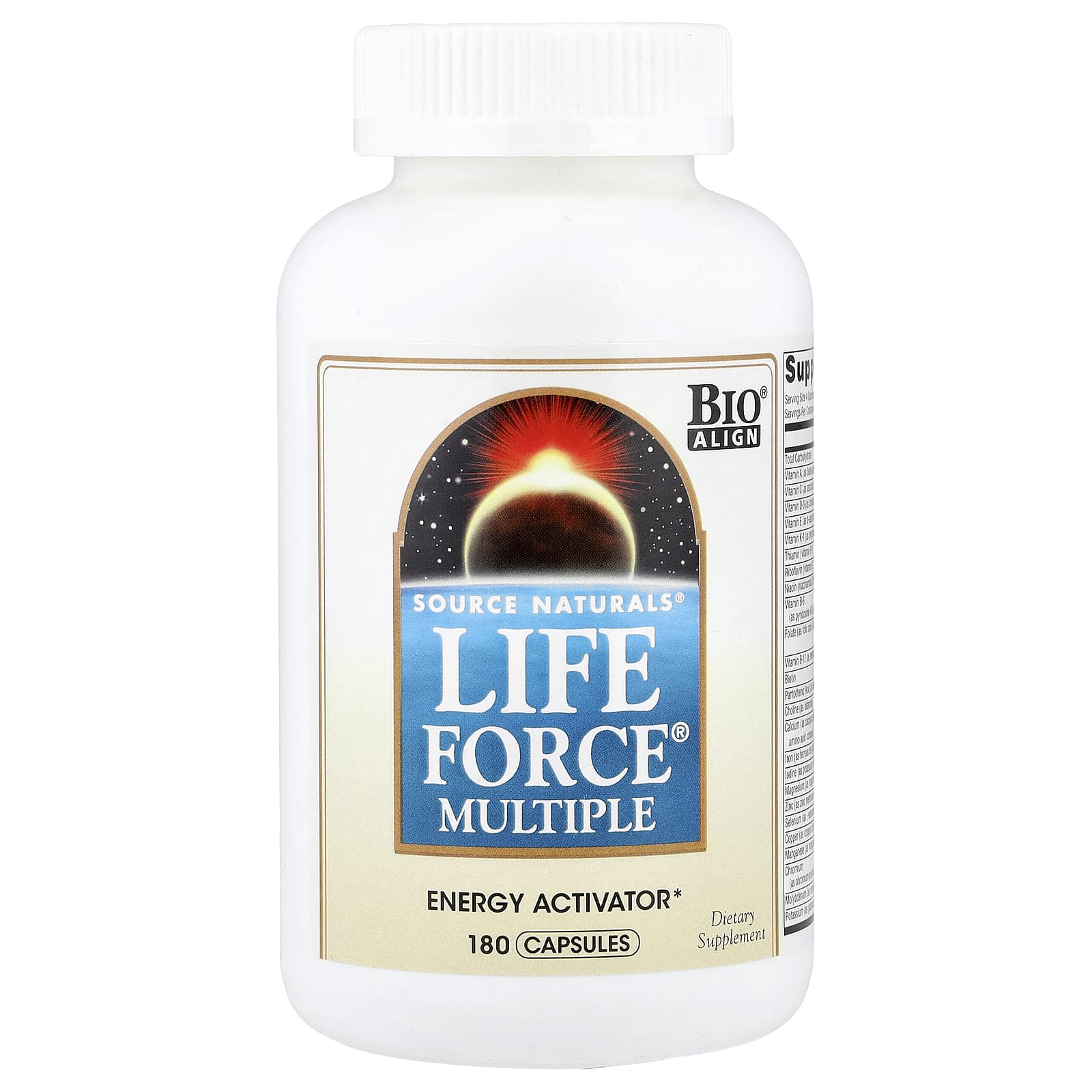
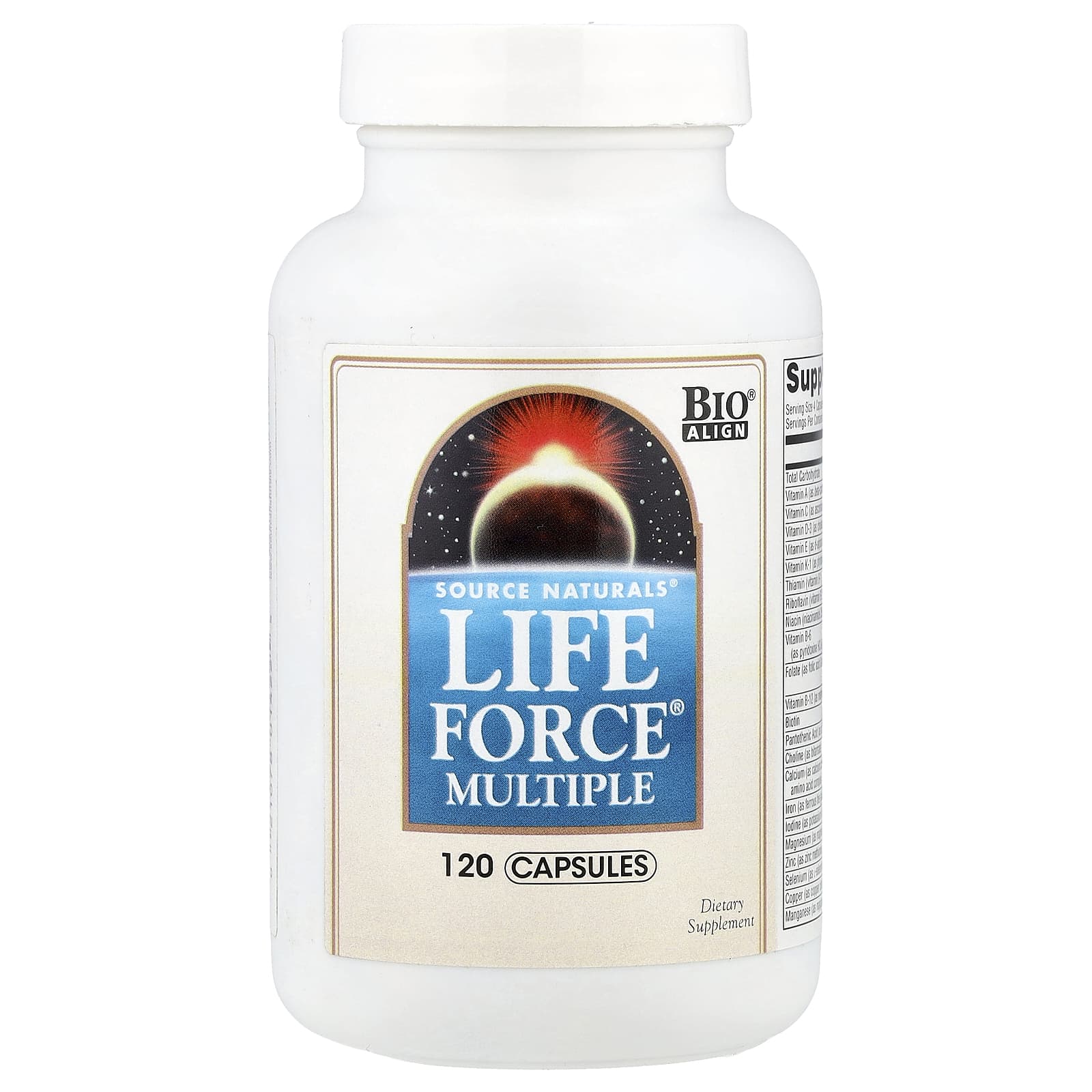
Copper is an essential mineral that several enzymes need in order to work. An adult body holds about 50–120 mg of it. Shellfish, seeds and nuts, organ meats and whole grains are rich sources. Supplements contain copper as part of a compound, such as copper gluconate, copper bisglycinate or cupric oxide.
Terms and sources
- several enzymes
- They are called cuproenzymes. They take part in energy production, iron metabolism, connective tissue synthesis and the making of brain signaling chemicals. NIH Office of Dietary Supplements.
- 50–120 mg
- Only small amounts of copper are stored in the body. NIH Office of Dietary Supplements.
Copper in the body
One copper enzyme, ceruloplasmin, carries more than 95% of the copper in the blood plasma of healthy people. Copper-containing superoxide dismutases are the main defense of cells against oxidative damage, NIH notes. Almost two-thirds of the body's copper is in the skeleton and muscle.
Terms and sources
- ceruloplasmin
- Ceruloplasmin also takes part in iron metabolism. NIH Office of Dietary Supplements.
- superoxide dismutases
- Enzymes that break down reactive forms of oxygen. NIH Office of Dietary Supplements.
Most copper leaves the body in bile, and a small amount in urine. The body keeps its copper level steady through absorption in the gut and release from the liver into bile. No blood test reliably shows how much copper a person has, NIH notes. High intakes of zinc can interfere with copper absorption.
Terms and sources
- keeps its copper level steady
- NIH Office of Dietary Supplements.
- No blood test
- Normal serum copper is 10–25 micromoles per liter (63.5–158.9 mcg/dL). Blood copper and ceruloplasmin also change with estrogen status and inflammation. NIH Office of Dietary Supplements.
- High intakes of zinc
- NIH notes: "High dietary intakes of zinc can interfere with copper absorption, and excessive use of zinc supplements can lead to copper deficiency." NIH notes this is one reason the US zinc upper limit for adults is 40 mg a day.
NIH notes: "Chronic exposure to high levels of copper can result in liver damage and gastrointestinal symptoms (e.g., abdominal pain, cramps, nausea, diarrhea, and vomiting). Copper toxicity is rare in healthy individuals who do not have a hereditary copper homeostasis defect. However, copper toxicity has been reported in people who consume water containing high levels of copper as a result of stagnant water in copper-containing pipes and fixtures as well as copper alloys in water distribution systems and household plumbing that allow copper to leach into water. The Environmental Protection Agency has established a recommended upper limit for copper in public water systems of 1.3 mg/L."
Terms and sources
- NIH notes
- NIH Office of Dietary Supplements, Copper fact sheet for health professionals, section on health risks from excessive copper.
NIH notes: "People with Wilson’s disease, a rare, autosomal recessive disease, have a high risk of copper toxicity. Wilson’s disease, which is caused by a mutation in ATP7B, leads to abnormally high tissue levels of copper as a result of defective copper clearance. People with this disease can develop neurologic and liver damage that can result in cirrhosis. Patients can also develop acute hepatitis, hemolytic crisis, and liver failure. Lifelong copper chelation therapy or high doses of zinc can prevent permanent organ damage in these patients."
Terms and sources
- NIH notes
- NIH Office of Dietary Supplements, Copper fact sheet for health professionals, section on health risks from excessive copper.
NIH notes: "The FNB has established ULs for copper from food and supplements for healthy individuals based on levels associated with liver damage. The ULs do not apply to individuals who are receiving supplemental copper under medical supervision."
Terms and sources
- NIH notes
- NIH Office of Dietary Supplements, Copper fact sheet for health professionals, section on health risks from excessive copper. The section ends with a table of upper limits by age.
Where copper comes from
Shellfish, seeds and nuts, organ meats, wheat-bran cereals, whole-grain products and chocolate are rich in copper. 85 g (3 ounces) of pan-fried beef liver has 12.4 mg of copper, 1,378% of the Daily Value. The same amount of cooked wild eastern oysters has 4.85 mg. 1 ounce (28 g) of dry roasted cashews has 0.63 mg.
Terms and sources
- rich in copper
- NIH Office of Dietary Supplements.
- 12.4 mg
- The Daily Value is 0.9 mg. NIH Office of Dietary Supplements, table of food sources, given in micrograms. Grams and milligrams are our conversion.
The body absorbs a larger share of copper when the diet holds less of it. About 75% is absorbed from a diet with 0.4 mg a day. From a diet with 7.5 mg a day, 12% is absorbed. Tap water and other drinks can also contain copper, from 0.0005 to 1 mg per liter, depending on the source.
Terms and sources
- a larger share
- NIH Office of Dietary Supplements.
- depending on the source
- NIH Office of Dietary Supplements.
Copper supplements are made from copper compounds; the forms section below compares them.
Daily amounts and the upper limit
United States
US recommended amount for adults: 900 mcg (0.9 mg) of copper a day. The Daily Value on US labels is 0.9 mg. US adults get on average 1.4 mg (men) and 1.1 mg (women) of copper a day from food. Among adults who take no copper supplements, 6–15% get less copper than their estimated need.
Terms and sources
- recommended amount
- RDA, National Academies, 2001, for ages 19 and over. These amounts count food, drinks and supplements together.
- Daily Value
- Set by the US Food and Drug Administration for adults and children 4 and older.
- from food
- Adults 20 and older. With supplements, total intakes are 1.4–1.7 mg a day. NIH Office of Dietary Supplements.
- estimated need
- Estimated Average Requirement (EAR). National survey NHANES 2009–2012, ages 19 and older. Among supplement users, 2.2–7.2%.
US upper limit for adults: 10 mg of copper a day (National Academies; a reference value, not a legal limit). The US limit counts copper from food and supplements together. It is based on effects on the liver. The Linus Pauling Institute notes some concern that the 10 mg limit might be too high.
Terms and sources
- upper limit
- Tolerable Upper Intake Level (UL), National Academies, 2001. Ages 1–3: 1 mg; 4–8: 3 mg; 9–13: 5 mg; 14–18: 8 mg. NIH notes: "Breast milk, formula, and food should be the only sources of copper for infants."
- food and supplements together
- NIH: "The ULs do not apply to individuals who are receiving supplemental copper under medical supervision."
- might be too high
- Linus Pauling Institute, section on toxicity.
NIH notes that supplements typically hold from a few micrograms to 15 mg of copper. In 87 US labels of copper-only products, the median is 2 mg per serving. The middle half list 2–3 mg. 36 of the 87 list more than 2 mg per serving, and none list 10 mg or more.
Terms and sources
- 15 mg
- About 17 times the Daily Value. NIH Office of Dietary Supplements.
- 87 US labels
- NIH Dietary Supplement Label Database, including products no longer sold. Labels whose only main ingredient row is named Copper, with an amount; rows named after a compound were not counted. A serving is not always a full day's amount. We counted these.
- none list 10 mg or more
- The most common amount is 2 mg, on 45 labels. The highest entry is 8 mg, on one label.
In the same download, 13,789 labels list copper. Of them, 99% list something besides copper, and 94% list zinc. 21% name gluconate as the form, 18% glycinate or bisglycinate, 9% oxide and 9% sulfate. 16% name no form.
Terms and sources
- 13,789 labels
- Labels with a main ingredient row whose name starts with the word copper, cupric or cuprous. We counted these.
- 21% name gluconate
- Citrate 7%. 11% name an amino acid chelate without naming the amino acid. We matched whole words within one form name.
- 16% name no form
- A label can name more than one form. Sebacate 2.1%, carbonate 0.6%, picolinate 0.5%, aspartate 0.4%, lysinate 0.4%. We matched whole words within one form name.
- National Academies, Dietary Reference Intakes for vitamin A, vitamin K, arsenic, boron, chromium, copper, iodine, iron, manganese, molybdenum, nickel, silicon, vanadium and zinc, 2001
- NIH Dietary Supplement Label Database
Upper limits in other countries: see the table of limits by country on this page.
Published studies of copper
5 studies: 3 found a difference and 2 had mixed results.
Terms and sources
- 5 studies
- Healthy adults; up to 8 mg of copper a day for weeks to months, or single drinks of copper water. 2 of the studies used 2 mg or less. 3 gave copper sulfate dissolved in drinking water.
Studies in adults without a diagnosis, each with our one-line summary.
Not shown here: studies in people with a diagnosis or an illness, and studies in children. Studies that may include teenagers are not shown, nor studies whose outcomes are illnesses. Also not shown: studies that picked people by blood test values, including cholesterol above a cut-off. Copper mixed with other ingredients or set through the diet is left out too. So are studies without a stated random order of doses. Studies with a group above the US upper limit of 10 mg a day are not shown. Reviews whose trials we could not check, and other reports of listed trials, are left out too.
Our one-line summary comes first. The original is on PubMed.
Show the studies
In 179 adults, 44 had stomach symptoms after copper sulfate water with 1.6 mg copper, 8 after plain water.
Trial · 179 people · Single drinks, once a week for 5 weeks · funding not stated
Araya et al., Regulatory Toxicology and Pharmacology, 2001
Terms and sources
- 179 adults
- Apparently healthy adults at three international sites. Once a week for 5 weeks, each drank 200 mL of water with copper sulfate. The water held 0, 2, 4, 6 or 8 mg of copper per liter, in a blind, random order. That is 0, 0.4, 0.8, 1.2 and 1.6 mg of copper.
- 44 had stomach symptoms
- People with nausea, vomiting, abdominal pain or loose stools within 24 hours: 8, 9, 14, 25 and 44. That is at 0, 0.4, 0.8, 1.2 and 1.6 mg. The difference from plain water was statistically significant at 1.2 and 1.6 mg. Nausea was the most common, within the first 15 minutes.
- funding not stated
- We could not check the funding section. PubMed lists an affiliation only for the first author, the Institute of Nutrition and Food Technology, University of Chile.
Study · Abstract only · about 1 min to read
Abstract only. Our estimate at about 200 words a minute, from the PubMed abstract.
Study summary
In 60 women, stomach symptom episodes numbered 10 with copper sulfate water (4.7 mg a day), 3 without.
Trial · 60 people · 2 weeks per copper level · industry-funded
Pizarro et al., Environmental Health Perspectives, 1999
Terms and sources
- 60 women
- Healthy adult women in Santiago, Chile, who did not work outside the home. Each drank water with 0, 1, 3 and 5 mg of added copper per liter, as copper sulfate. Each level lasted 2 weeks, with a week's break between. The order was assigned at random; the women did not know their copper level.
- numbered 10
- Episodes of nausea, abdominal pain or vomiting: 3, 1, 10 and 9. That is with 0, 1, 3 and 5 mg per liter. That was 0.04, 1.7, 4.7 and 7.9 mg of copper a day from water. The difference between 1 mg or less and 3 mg or more per liter was statistically significant. Loose stools: none without copper, 4 episodes at each copper level; not statistically linked to the level. Symptoms stopped when the copper water stopped.
- 4.7 mg a day
- Measured intake from water. Food added about 1.5–1.9 mg a day. Blood copper, ceruloplasmin and liver enzymes did not change.
- industry-funded
- Paid by a copper risk research program in Chile, as an unrestricted research grant. The Chilean Center for Mining and Metallurgy Research and the International Copper Association managed the program.
Study · Free full text · about 20 min to read
Our estimate at about 200 words a minute, from the PMC full text.
Study summary
In 31 adults, stomach permeability to sugar was higher after copper sulfate water (2 mg copper) than plain water.
Trial · 31 people · Single drinks · funding not stated
Gotteland et al., 2001
Terms and sources
- 31 adults
- Adults without symptoms. Each drank 200 mL of distilled water on one day and 200 mL of copper water on another. The copper water held 10 mg of copper per liter, as copper sulfate. The order was random, double-blind.
- stomach permeability
- Sucrose passing into urine, medians: 28.4 mg after copper, 20.8 mg after plain water; statistically significant. Gut permeability (lactulose and mannitol) did not differ significantly: 1.17% and 0.87%. After copper, 22.6% reported stomach symptoms, more intense than after plain water (statistically significant). Symptoms were also reported after plain water. Permeability changes were not related to symptoms.
- funding not stated
- We could not check the funding section. PubMed lists an affiliation only for the first author, a microminerals laboratory at the University of Chile.
Study · Abstract only · about 1 min to read
Abstract only. Our estimate at about 200 words a minute, from the PubMed abstract.
Study summary
In a lab test, blood cells took up more copper after 8 mg daily than after a dummy product.
Trial · The abstract does not give the number of people; full text not read. · 2 months · funding not stated
Arredondo et al., Biological Trace Element Research, 2010
Terms and sources
- 8 mg daily
- 8 mg of copper a day as copper sulfate for 2 months. Healthy adults were assigned at random to copper or a dummy product. The abstract does not give the number of people.
- took up more copper
- White blood cells taken on days 0, 2 and 60 were bathed in copper for 20 hours. Their copper content rose more in the copper group; the difference by treatment was statistically significant. Iron content also differed by treatment, but not consistently. One gene readout (MT2A) tracked copper; another (TfR) did not change. Another report, probably of the same trial (Araya et al., 2011), measured more genes. One (CCS) changed in the copper group only; three others changed in both groups.
- funding not stated
- We could not check the funding section. PubMed lists an affiliation only for the first author, the Institute of Nutrition and Food Technology, University of Chile. Another report, probably of the same trial (Araya et al., 2011), names a FONDECYT grant (Chile).
Study · Abstract only · about 2 min to read
Abstract only. Our estimate at about 200 words a minute, from the PubMed abstract.
Study summary
In 16 women, blood copper was higher with 3 mg of copper a day than with a dummy product.
Trial · 16 people · 4 weeks per dose · maker-supplied
Bügel et al., British Journal of Nutrition, 2005
Terms and sources
- 16 women
- Healthy women, mean age 24, students in Copenhagen. Each took 0, 3 and 6 mg of copper a day as copper sulfate. Each dose lasted 4 weeks, in random order, with 3-week breaks.
- blood copper was higher
- Serum copper and red blood cell superoxide dismutase activity were higher with 3 mg (statistically significant). With 6 mg, there was no further rise. A clotting-related blood factor, PAI-1, was about 30% lower with 6 mg. Blood fats and the other measured markers did not change. Another report of this trial (Cashman et al., 2001) found no change in markers of bone formation and breakdown. A joint report of four European centers (Turley et al., 2000) probably includes this one. It found no change in lab LDL oxidation.
- maker-supplied
- We could not read this paper's funding section. Another report of this trial (Cashman et al., 2001) names a European Commission grant. It says Thomson & Joseph Ltd supplied the copper supplements.
Study · Abstract only · about 1 min to read
Abstract only. Our estimate at about 200 words a minute, from the PubMed abstract.
Study summary
Information, not a prescription. Do not start, stop or combine supplements or medicines on your own.