Glycine is the lightest amino acid. It is found in protein foods and is plentiful in collagen. The body also makes it, mostly from serine, another amino acid. The body uses glycine to build proteins and to make glutathione and creatine.
Glycine in the body
Its molar mass is 75.07 g per mole, the lowest of the amino acids. It is a building block of proteins. The body also uses it to make glutathione, creatine and purine nucleotides.
Terms and sources
75.07 g per mole
The review calls glycine the lightest amino acid. Ramos-Jiménez et al., Sports, 2024, a review of glycine and exercise.
glutathione
The review links glutathione to limiting free radicals. Ramos-Jiménez et al., Sports, 2024.
In the nervous system, glycine is an inhibitory messenger. In blood plasma, glycine makes up about 11.5% of all amino acids.
Terms and sources
inhibitory messenger
An inhibitory neurotransmitter: it makes nerve cells less likely to fire. Ramos-Jiménez et al., Sports, 2024.
about 11.5%
The review gives normal plasma levels of 0.17–0.33 mM. Ramos-Jiménez et al., Sports, 2024.
Safety: what a 2024 review says
A 2024 review of glycine and exercise notes that regular glycine supplements have not been tested for safety in humans. It cites a study in which glycine "may be associated with the risk of stroke mortality". It adds that high doses over a short time "may be hazardous". It says such doses "occur in clinical situations where glycine is used routinely". The highest doses it lists without reported side effects are 60 g and 30 g a day. It also states that doses above 500 mg per kg of body weight can harm kidney, liver and brain cells. The review calls for randomized trials of glycine in people, including on doses.
Terms and sources
A 2024 review
Ramos-Jiménez et al., Sports, 2024. Funded by Conahcyt, Mexico's national science council, and a consortium of Mexican universities. The authors declare no conflicts.
a study
Nagata et al., 2015. The review calls it retrospective and speaks of glycine supplementation. Its abstract describes glycine from the diet in 29,079 adults followed for 16 years.
60 g and 30 g a day
60 g was 30 g twice a day, in adults with a psychiatric diagnosis. 30 g was 10 g three times a day, in marathon runners. In the runners' trial, glycine was the comparison for arginine. The 60 g trial was in adults also taking a prescribed medicine.
500 mg per kg
For a 70-kg adult, that is 35 g (our calculation). This page takes it as its dose reference: the lowest amount with described harm that we found. It comes from the review alone, which says regular glycine supplements have not been tested for safety in humans. We have not checked the studies the review cites.
Where glycine comes from
Glycine is found in animal and plant protein foods. About a third of the amino acids in collagen and elastin are glycine. The body also makes glycine, about 3 g a day by one estimate.
Terms and sources
protein foods
The review lists pork, beef, poultry, fish, dairy and eggs, and legumes, seeds, nuts and whole grains. Ramos-Jiménez et al., Sports, 2024.
About a third
Ramos-Jiménez et al., Sports, 2024.
about 3 g a day
The review states that about 35% of the body's glycine is made in the body, mostly from serine. Ramos-Jiménez et al., Sports, 2024.
Daily amounts and the upper limit
The one trial on this page gave a single dose of 0.3 g per kg of body weight. At the group's average weight of 76.5 kg, that is about 23 g.
Terms and sources
a single dose
One hour before weightlifting, in calorie-free fruit juice. Antonio et al., 2002.
about 23 g
Our calculation.
United States
The National Academies have not set an upper limit for glycine. US labels list glycine in mg or g per serving, without a percent Daily Value. US labels name it glycine or L-glycine.
Terms and sources
upper limit
The upper-limit tables of the Dietary Reference Intakes cover vitamins and minerals.
percent Daily Value
FDA has not set a Daily Value for glycine. 21 CFR 101.36.
L-glycine
Seen in the NIH Dietary Supplement Label Database.
FDA no longer regards glycine and its salts as "generally recognized as safe" for use in human food. FDA gave two reasons. First: "adverse effects were found in cases where high levels of glycine were administered in diets of experimental animals". Second: daily glycine intake "may be substantially increasing" due to changing uses in food technology. Makers had to remove added glycine or meet "an authorizing food additive regulation". FDA also allows glycine to mask the bitter aftertaste of saccharin in drinks, up to 0.2%.
Terms and sources
human food
21 CFR 170.50. The rule is about glycine added to human food; it does not mention dietary supplements.
adverse effects
21 CFR 170.50(a)(1). The rule introduces this as reports in the scientific literature.
may be substantially increasing
21 CFR 170.50(a)(2), from current usage information.
had to remove added glycine or meet
21 CFR 170.50(b). By May 8, 1971, makers were to remove added glycine and its salts from food. Or they were to bring it into compliance with an authorizing food additive regulation. A petition with toxicity data must show that any proposed level "will be safe".
up to 0.2%
21 CFR 172.812. The limit is 0.2 percent of the finished beverage. Also as a stabilizer in mono- and diglycerides, up to 0.02%.
FDA lists glycine, as aminoacetic acid, among amino acids that may be added to foods as nutrients. In such foods, total glycine may not exceed 3.5% of the protein by weight. Under US law, amino acids are among the dietary ingredients a supplement may contain.
Terms and sources
may be added to foods
The rule is about foods that are a significant source of protein. 21 CFR 172.320.
dietary ingredients
21 U.S.C. 321(ff)(1)(D).
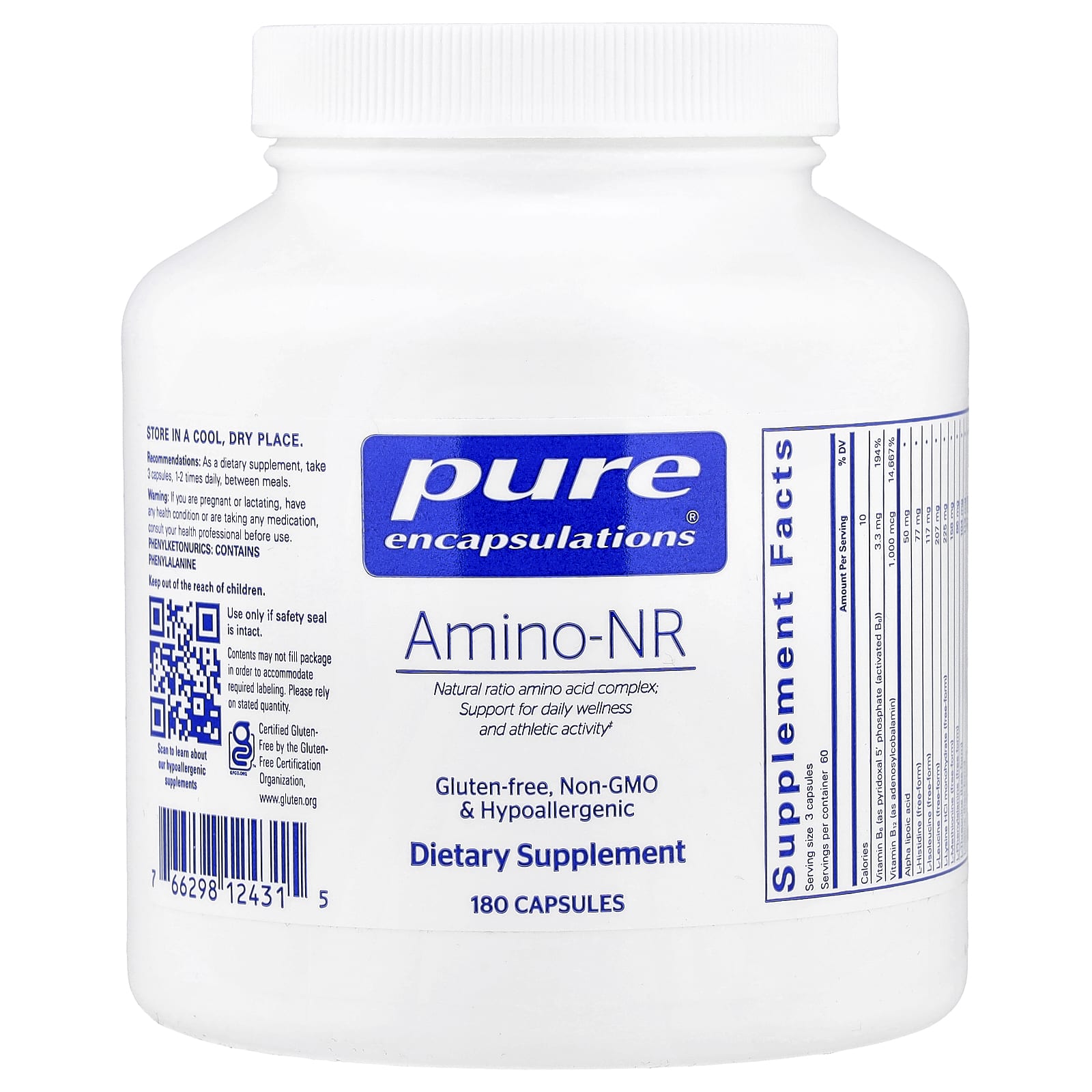
In 103 US labels of glycine-only products, 42 list 1,000 mg per serving. 19 list 3,000 mg and 17 list 500 mg; the range is 250–4,300 mg.
Terms and sources
103 US labels
NIH Dietary Supplement Label Database, including products no longer sold. Labels whose only ingredient is glycine or L-glycine, with an amount in mg or g. A serving is not always a full day's amount.
19 list 3,000 mg
We counted these.
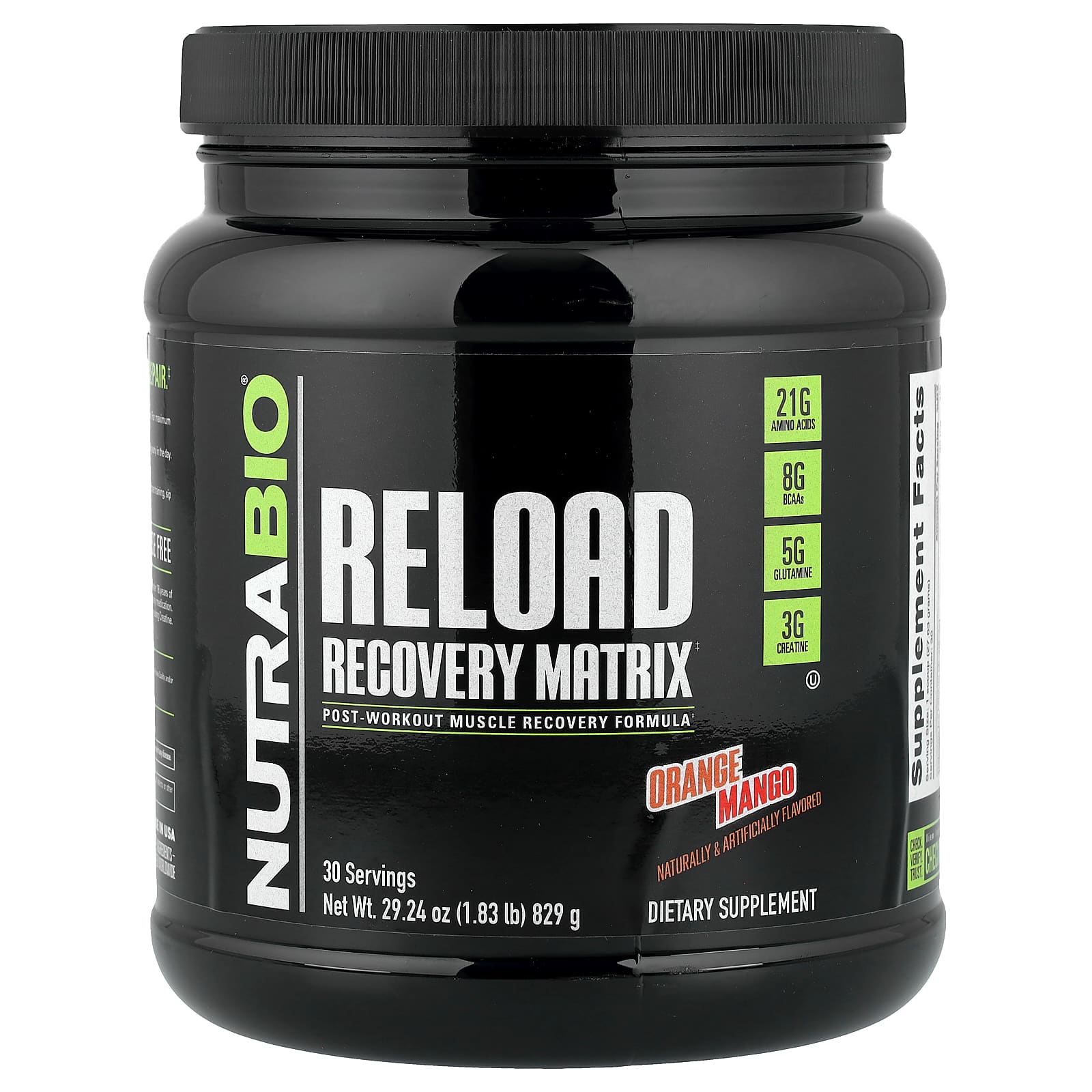
In the same download, 3,188 labels name glycine as an ingredient. 27% name glycine with eight or more other amino acids. 552 also name N-acetylcysteine.
Terms and sources
3,188 labels
Labels that name glycine as an ingredient, inside a blend or in a list of amino acids. Mineral glycinates, soy (Glycine max), boron glycine, dimethyl- and trimethylglycine and glycine propionyl-L-carnitine are not counted. We counted these.
eight or more other amino acids
Often the amino acid profile of a protein product. We counted these.
Labels also name micronized glycine, the same compound in finer particles. Mineral glycinates, such as magnesium glycinate, are not counted as glycine on this page. We do not rank forms.
Glycine, micronized glycine and glycine hydrochloride
Form
Glycine in the compound
What is known
Glycine
100%
The form tested in the study below.
Micronized glycine
100%
The same compound in finer particles.
Glycine hydrochloride
67.3%
Not tested in the study below.
Share of glycine by mass of the dry compound. We calculated these from the chemical formulas.
Published studies of glycine
1 study in adults without a diagnosis: it found no difference.
The trial gave glycine once, before weightlifting, to 6 men. For experts only: 4 reviews and 10 mixes of glycine with other ingredients. Also 21 trials in people with a diagnosis or selected for a health condition, including infants and children. Also a trial during sleep restriction, and 2 sleep trials we have not read yet. Also 5 trials with medicine arms and 2 trials with glycine given into a vein. Also 4 trials of 0.8 g per kg, above the 500 mg per kg the 2024 review links to harm. Also 6 trials that may include people under 20. Also trials without a stated random order or without a comparison group. Also 2 trials where glycine was the comparison for another amino acid. Also a trial in which the glycine-versus-dummy results are in figures we could not read. Also 1 trial held back by an editorial decision.
Our one-line summary comes first. The original is on PubMed.
Show the study
Six strength-trained men drank glycine an hour before lifting; repetitions did not differ from a dummy drink.
Trial · 6 men; each had all three drinks, in random order · 1 dose per session · funding not stated
Antonio et al., Journal of Strength and Conditioning Research, 2002
Terms and sources
Six strength-trained men
Resistance-trained men, average age 21.5. The authors' main question was a third drink, with glutamine; it is not counted here.
drank glycine
0.3 g per kg of body weight, in calorie-free fruit juice. About 23 g at the group's average weight of 76.5 kg, by our calculation.
lifting
Two sets of leg presses at 200% of body weight and two of bench presses at 100%, to failure.
repetitions did not differ
The average number of repetitions did not differ among the three drinks, in either exercise.
a dummy drink
placebo: calorie-free fruit juice alone. Double-blind; each man had all three drinks, in random order.
Abstract only. Our estimate at about 200 words a minute, from the PubMed abstract.
Study summary
Six resistance-trained men, average age 21.5, did leg presses and bench presses to failure on three days. One hour before, they drank glycine, glutamine or a dummy drink, in random order and double-blind. The glycine dose was 0.3 g per kg of body weight, in calorie-free fruit juice. The average number of repetitions did not differ among the three drinks. The authors' main question was glutamine. Women were not studied. Funding: we could not check it; the full text is not free.
Vitamin A 1.2 mg · Vitamin C 102 mg · Vitamin D 1.2 mcg · +24 more
Label on file (NIH DSLD)
No current price
Lowest price per day first. Status shown for the United States.
Not sure what to choose, or couldn’t find what you were looking for? Ask our expert
Information, not a prescription. Do not start, stop or combine supplements or medicines on your own. If you have a health condition, are pregnant or breastfeeding, take medicines, or are under 18, talk to a doctor or pharmacist first.