Vitamin B12 is a water-soluble vitamin that contains the mineral cobalt. Only certain bacteria and archaea can make it. People get it from foods of animal origin, fortified foods and supplements. Supplements use four forms: cyanocobalamin, methylcobalamin, adenosylcobalamin and hydroxocobalamin.
Terms and sources
cobalt
Because of the cobalt, compounds with vitamin B12 activity are called cobalamins. NIH Office of Dietary Supplements.
archaea
A group of single-celled microbes. Linus Pauling Institute, Oregon State University.
Vitamin B12 in the body
Vitamin B12 has the largest and most complex chemical structure of all the vitamins. It is the only vitamin that contains a metal, cobalt. In the body, it works with two enzymes. One of them turns homocysteine into the amino acid methionine.
Terms and sources
two enzymes
Methionine synthase and L-methylmalonyl-CoA mutase. NIH Office of Dietary Supplements.
homocysteine
Blood homocysteine rises quickly as vitamin B12 status declines. NIH Office of Dietary Supplements.
Vitamin B12 is needed for the development and function of the nervous system, red blood cell formation and DNA synthesis. Methylcobalamin and adenosylcobalamin are the forms the body uses. The body stores about 1–5 mg, roughly 1,000 to 2,000 times the amount a person eats in a day. In people with enough vitamin B12, supplements do not appear to change athletic performance or endurance.
Terms and sources
forms the body uses
The metabolically active forms; adenosylcobalamin is also written 5-deoxyadenosylcobalamin. Cyanocobalamin and hydroxocobalamin become active after the body converts them.
athletic performance
Summary by the NIH Office of Dietary Supplements.
In food, vitamin B12 is bound to protein, and stomach acid and enzymes release it. It then binds to intrinsic factor, a protein made in the stomach. Vitamin B12 in supplements and fortified foods is already free and skips the release step.
Terms and sources
intrinsic factor
The pair is absorbed at the end of the small intestine. NIH Office of Dietary Supplements.
Where vitamin B12 comes from
Vitamin B12 is found in foods of animal origin: fish, meat, poultry, eggs and dairy products. Plant foods do not contain it naturally, but some breakfast cereals and nutritional yeasts have it added. Three ounces of cooked beef liver has 70.7 mcg; a cup of 2% milk has 1.3 mcg.
Terms and sources
70.7 mcg
NIH Office of Dietary Supplements, table of food sources. Cooked clams, 3 ounces: 17 mcg. One large egg: 0.5 mcg.
In food, vitamin B12 is present as hydroxocobalamin, methylcobalamin or adenosylcobalamin. Cyanocobalamin is the synthetic form.
Terms and sources
hydroxocobalamin
Light turns methylcobalamin and adenosylcobalamin into hydroxocobalamin. Greibe et al., European Journal of Nutrition, 2018.
Daily amounts and the upper limit
United States
US recommended amount for adults: 2.4 mcg a day. The Daily Value on US labels is also 2.4 mcg. Average intake from food and drinks is 5.84 mcg a day for men and 3.69 mcg for women.
Terms and sources
recommended amount
RDA, National Academies, 1998. It is the amount needed to keep blood cell counts and blood vitamin B12 in the normal range.
Average intake
Adults aged 20 and older, national survey NHANES 2017–March 2020. NIH Office of Dietary Supplements.
The National Academies have not set an upper limit for vitamin B12. They found a low potential for adverse effects. About 24% of US men and 29% of women take a supplement with vitamin B12.
Terms and sources
low potential for adverse effects
Food and Nutrition Board, 1998. When large amounts are taken by mouth, only a small share is absorbed, which may explain this. Linus Pauling Institute.
24% of US men
NHANES 2017–March 2020. Their average total from food, drinks and supplements: 297.3 mcg a day for men, 407.4 mcg for women.
In 973 US labels of vitamin B12-only products, the middle half list 1,000–2,500 mcg per serving. Each of these labels lists at least 50 mcg, and 22% list 5,000 mcg or more.
Terms and sources
973 US labels
NIH Dietary Supplement Label Database, including products no longer sold. Labels whose only ingredient is vitamin B12. We converted amounts in mg to mcg. We left out 7 labels listing 500 mg or more as unit errors. A serving is not always a full day's amount.
Of 27,998 labels that list vitamin B12, 46% name only cyanocobalamin and 34% only methylcobalamin. 16% do not name the form.
Terms and sources
27,998 labels
Labels with an ingredient named vitamin B12 or one of its forms; probiotic strains named BB-12 excluded. 3% name two or more forms. Adenosylcobalamin appears on 2.5% of labels, hydroxocobalamin on 0.9%. We counted these.
The NIH reports no evidence that absorption from supplements differs between forms. The body converts cyanocobalamin and hydroxocobalamin into the two forms it uses. In one study of healthy adults, cyanocobalamin raised active vitamin B12 in the blood more than hydroxocobalamin. Tablets that dissolve under the tongue and swallowed tablets gave similar results in the studies NIH cites. We do not rank forms.
Terms and sources
no evidence
NIH Office of Dietary Supplements.
one study
Greibe et al., 2018; see the studies below. The authors note that older studies found equal absorption of the two forms.
dissolve under the tongue
sublingual tablets or lozenges
NIH notes: "Vitamin B12 supplements have the potential to interact with certain medications."
Terms and sources
certain medications
NIH Office of Dietary Supplements, Vitamin B12 fact sheet for health professionals, section on interactions with medications.
Cyanocobalamin, methylcobalamin, adenosylcobalamin and hydroxocobalamin
Form
Where it occurs
What is known
Cyanocobalamin
Synthetic; used in supplements and fortified foods
The body converts it to the active forms. In one study, it raised active vitamin B12 in the blood more than hydroxocobalamin.
Methylcobalamin
Food; one of the two forms the body uses
Works with the enzyme that turns homocysteine into methionine. No study on this page compares it with other forms.
Adenosylcobalamin (5-deoxyadenosylcobalamin)
Food; the other form the body uses
Works with an enzyme in the metabolism of propionate, a short-chain fatty acid. No study on this page compares it with other forms.
Hydroxocobalamin
Food; light turns the two active forms into it
The body converts it to the active forms. In one study, it raised active vitamin B12 in the blood less than cyanocobalamin.
Sources: NIH Office of Dietary Supplements; Linus Pauling Institute; Greibe et al., 2018.
Published studies of vitamin B12
3 studies in healthy adults: 2 found a difference, 1 had mixed results. All 3 measured absorption or blood levels. None measured tiredness, energy or sleep.
Our one-line summary comes first. The original is on PubMed.
Show the 3 studies
Nine healthy adults took 2.5, 5 and 10 mcg of B12; the share absorbed fell, the amount did not differ.
Trial · 9 people · 3 test days, 1 month apart
Kashyap et al., Nutrients, 2024
Terms and sources
2.5, 5 and 10 mcg
Cyanocobalamin labeled with carbon-13, one dose per test day in random order, one after the other (crossover). Healthy adults in India aged 18–40.
the share absorbed fell
50.9%, 26.7% and 15.4% of the dose; the difference was statistically significant.
the amount did not differ
1.16, 1.22 and 1.39 mcg; the difference was not statistically significant.
Our estimate at about 200 words a minute, from the PMC full text.
Study summary
Researchers measured how much vitamin B12 nine healthy adults in India absorbed from three doses. Each person took 2.5, 5 and 10 mcg of labeled cyanocobalamin, one dose per test day, a month apart. The amounts absorbed were 1.16, 1.22 and 1.39 mcg. This difference was not statistically significant. The share absorbed fell from 50.9% to 26.7% and 15.4%. Combined with earlier studies, absorption leveled off near 1.2 mcg per dose. Above a dose of about 2.6 mcg, about 1% of each extra mcg was absorbed. With data up to 1,000 mcg, the authors estimate that 2.3% of the dose was absorbed. Funding: India Alliance and Indian Department of Biotechnology grants.
Healthy adults took cyanocobalamin or hydroxocobalamin; active vitamin B12 in the blood rose more with cyanocobalamin.
Trial · 14 people · 2 days per form, 2 weeks apart
Greibe et al., European Journal of Nutrition, 2018
Terms and sources
Healthy adults
Danish adults with normal vitamin B12 levels. Each took both forms one after the other (crossover): 9 mcg three times a day for 2 days.
active vitamin B12
holotranscobalamin. It rose 34 pmol/L with cyanocobalamin and 13 pmol/L with hydroxocobalamin; the difference was statistically significant.
rose more with cyanocobalamin
The authors note that older studies found equal absorption of the two forms. They suggest tissues take up hydroxocobalamin from the blood faster.
Our estimate at about 200 words a minute, from the PMC full text.
Study summary
Researchers compared two forms of vitamin B12 in 14 healthy Danish adults with normal levels. Each person took cyanocobalamin and hydroxocobalamin, two weeks apart: 9 mcg three times a day for 2 days. Active vitamin B12 in the blood rose 34 pmol/L with cyanocobalamin and 13 pmol/L with hydroxocobalamin. The difference was statistically significant. In 59 adults in India with low levels, most of them lacto-vegetarian, the pattern was the same. The authors note that older studies found equal absorption of both forms. Funding: Indian and Danish government research grants.
Healthy adults took three 9 mcg doses of B12; active B12 rose 50% in 24 hours, with no comparison group.
Trial · 21 people · 3 days · funding not stated
von Castel-Roberts et al., American Journal of Clinical Nutrition, 2007
Terms and sources
three 9 mcg doses
6 hours apart, on one day. 21 adults aged 18–49 with normal vitamin B12 levels. The abstract does not name the form.
active B12
holotranscobalamin: 11% higher at 6 hours and 50% at 24 hours. Total vitamin B12 in the blood was 15% higher at 24 hours. Each change was statistically significant.
funding not stated
PubMed lists grants from NIH and others. We could not open the full text to check funders and conflicts.
We could not check whether the full text is free to read. Our estimate at about 200 words a minute, from the PubMed abstract.
Study summary
Researchers tracked how active vitamin B12 in the blood responds to small doses by mouth. Twenty-one healthy adults aged 18 to 49 with normal levels took part. Each took three 9 mcg doses of vitamin B12, 6 hours apart, on one day. Active vitamin B12 was 11% higher at 6 hours and 50% higher at 24 hours. Total vitamin B12 in the blood was 15% higher at 24 hours. These changes were statistically significant. There was no comparison group. Funding: not named in the abstract; we could not open the full text.
Law = legally binding maximum; recommendation = an authority's recommended maximum, not binding; reference = a reference value, not a legal limit; used where the country sets no maximum. Information only — not a dosage recommendation. Report an error
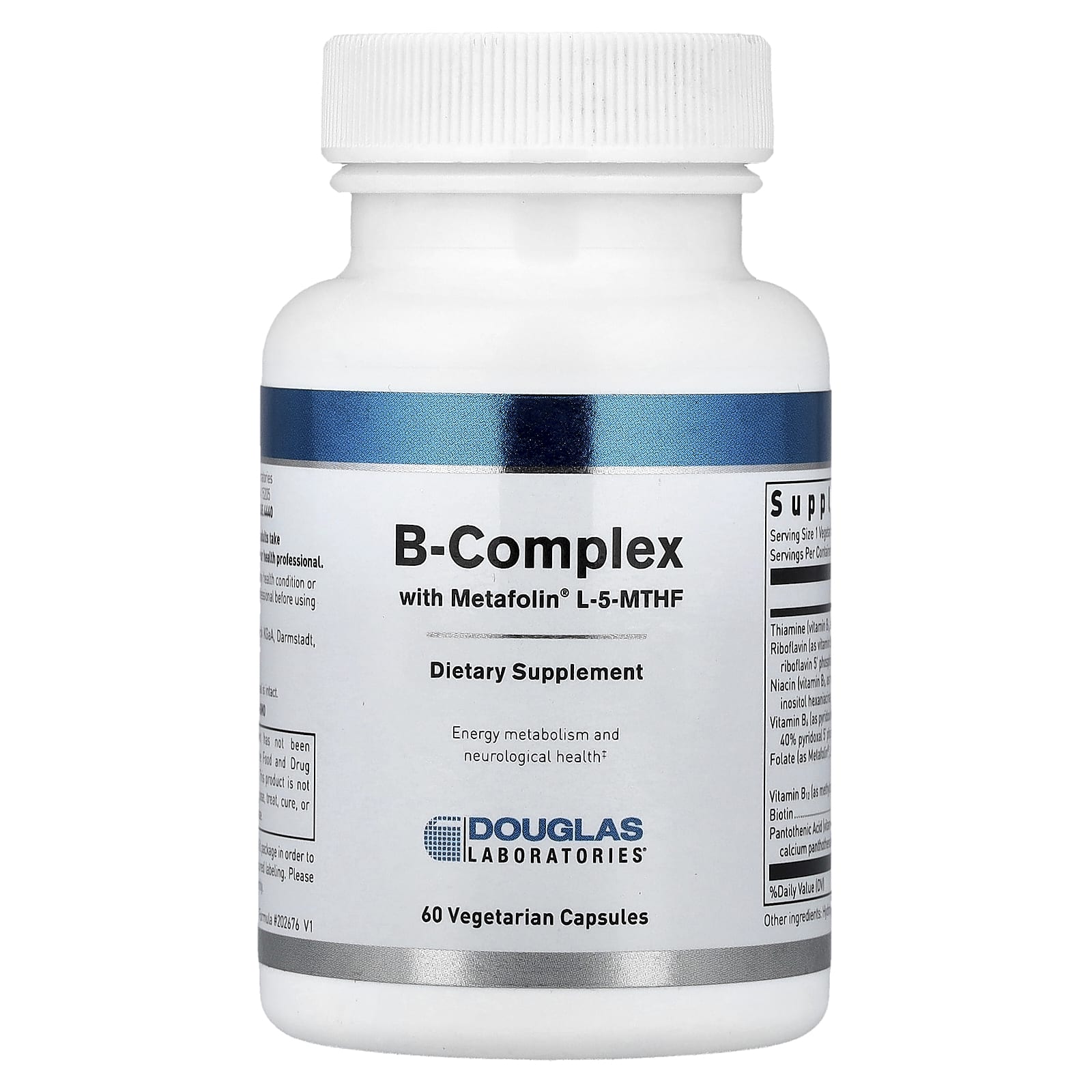
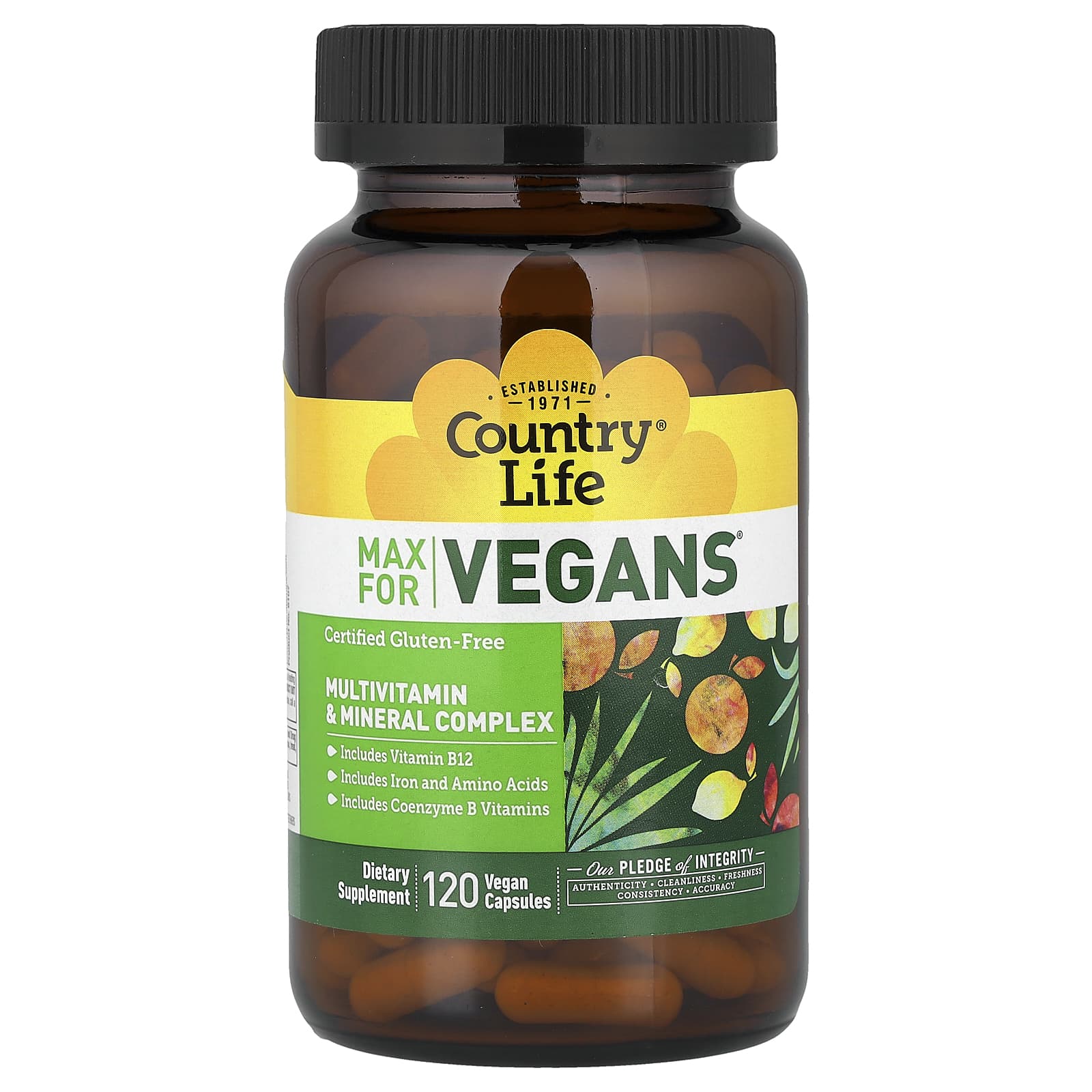
Products with Vitamin B12 on sale in the United States
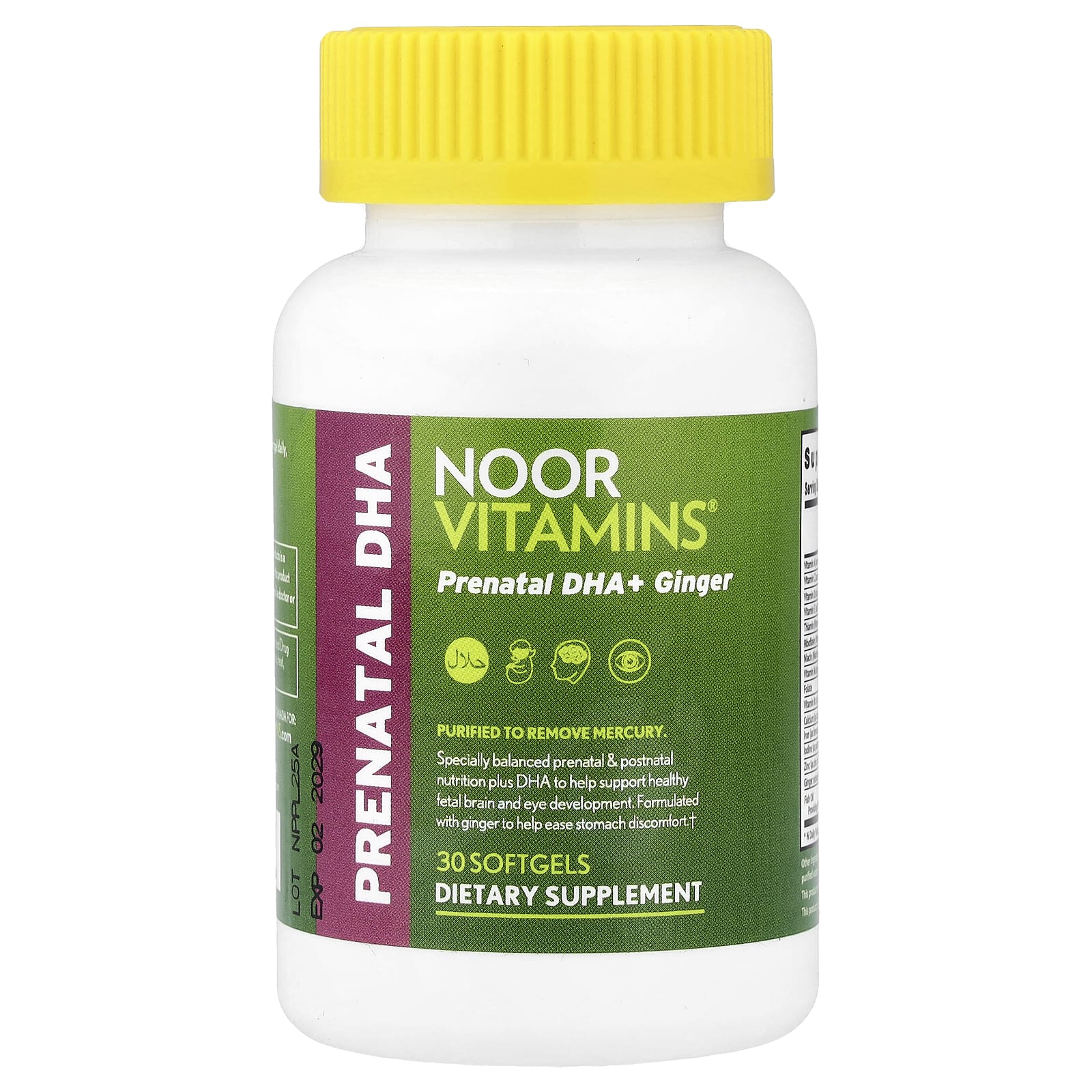
Vitamin A 900 mcg · Vitamin C 90 mg · Vitamin D 30 mcg · +19 more
Label on file (NIH DSLD)
No current price
Lowest price per day first. Status shown for the United States.
Information, not a prescription. Do not start, stop or combine supplements or medicines on your own. If you have a health condition, are pregnant or breastfeeding, take medicines, or are under 18, talk to a doctor or pharmacist first.