Ingredient

Plant sterols and stanols

Products with Plant sterols on sale in the United States.

Find products
Share

Email article

Published

Plant sterols and stanols, together called phytosterols, are plant compounds built much like cholesterol. The main plant sterols in food are beta-sitosterol, campesterol and stigmasterol. Stanols, such as sitostanol, lack one double bond; they are about 10% of food phytosterols. Supplements hold free sterols, stanols or their esters, which are bound to fatty acids, in capsules, softgels or powders.

Terms and sources
built much like cholesterol
They are structurally related to cholesterol. Linus Pauling Institute, Oregon State University.
beta-sitosterol
Also written β-sitosterol. Linus Pauling Institute, Oregon State University.
lack one double bond
In the sterol ring; stanols are the saturated forms. Linus Pauling Institute, Oregon State University.
in capsules, softgels or powders
Product forms of 92 US labels with sterols or stanols alone, NIH Dietary Supplement Label Database. Tablets also appear. We counted these.

Plant sterols in the body

The body cannot make phytosterols, so all phytosterols in human blood come from the diet. Less than 5% of plant sterols eaten and less than 0.5% of plant stanols are absorbed. Gut cells pump most absorbed phytosterols straight back into the gut. Blood levels of phytosterols are usually several hundred times lower than blood cholesterol.

Terms and sources
come from the diet
Cholesterol, by contrast, comes from both the diet and the body's own production. Linus Pauling Institute, Oregon State University.
are absorbed
For cholesterol from food, the figure is about 50–60%. Linus Pauling Institute, Oregon State University.
pump
A transporter called ABCG5/G8 does this; in the liver, the same transporter moves them into bile. Linus Pauling Institute, Oregon State University.

In the gut, phytosterols take the place of cholesterol in the tiny fat droplets that carry it. More cholesterol from food and bile then leaves in the stool. LPI cites a feeding trial with 0.46 g and 2.1 g of phytosterols a day. Cholesterol absorption fell by about 10% and 25%. Cholesterol leaving in the stool rose by 36% and 74%, LPI notes.

Terms and sources
tiny fat droplets
mixed micelles: droplets of bile salts, fats and sterols that form after a meal with fat. Linus Pauling Institute, Oregon State University.
leaves in the stool
LPI: phytosterols also facilitate the excretion of biliary cholesterol in the feces.
a feeding trial
Phytosterols in drinks, compared with a dummy drink. LPI, citing Racette et al., American Journal of Clinical Nutrition, 2010.

LPI cites a meta-analysis of 124 studies of LDL cholesterol in the blood. LDL cholesterol was at least 5% lower with 0.6–1.1 g a day and about 12.4% lower with 3.3 g. These are blood measurements; LPI notes that the long-term effect on health outcomes is not known.

Terms and sources
124 studies
Ras et al., British Journal of Nutrition, 2014, as cited by LPI. Two of the three authors worked for Unilever.

Phytosterols also lower blood levels of some carotenoids, the yellow and red pigments of plants. LPI cites a meta-analysis in which blood carotenoids such as beta-carotene were about 5–20% lower with enriched foods. LPI notes that in one trial, advice to eat 5 servings of fruit and vegetables a day kept carotenoid levels.

Terms and sources
a meta-analysis
Over 1 month to 1 year. Adjusted for cholesterol, alpha-carotene, beta-carotene and lycopene may stay lower. Baumgartner et al., European Journal of Nutrition, 2017, as cited by LPI. Two of the five authors worked for Unilever.
one trial
Including 1 serving of carotenoid-rich vegetables, in people taking 2.5 g of sterol or stanol esters a day. Noakes et al., American Journal of Clinical Nutrition, 2002, as cited by LPI.

LPI notes that in the US, plant sterols and stanols added to a variety of food products are "generally recognized as safe" (GRAS), an FDA status. LPI notes that few adverse effects have been reported with regular intake for up to 1 year. LPI notes that nausea, indigestion, diarrhea and constipation have occasionally been reported. LPI notes that people with sitosterolemia should avoid foods or supplements with added plant sterols. LPI notes: Phytosterol-enriched foods and supplements are not recommended for pregnant or breastfeeding women because their safety has not been studied. LPI notes that some cholesterol medicines change how much plant sterol the body absorbs or keeps in blood.

Terms and sources
GRAS
A US status for food ingredients. Linus Pauling Institute, Oregon State University.
sitosterolemia
A very rare inherited condition in which the body absorbs and keeps far more plant sterols. Linus Pauling Institute, Oregon State University.
some cholesterol medicines
LPI: statin therapy appears to increase the absorption of plant sterols. Ezetimibe (marketed as Zetia) is another cholesterol-lowering drug that may interfere with the intestinal absorption of phytosterols.

Where plant sterols come from

Phytosterols are in all plant foods, and unrefined plant oils hold the most. Nuts, seeds, whole grains and legumes are also sources. Half a cup of raw soybeans holds 149 mg, and 14 g (1 tablespoon) of sesame oil holds 118 mg. 28 g (1 ounce) of pistachios holds 61 mg, and 14 g of olive oil holds 30 mg.

Terms and sources
unrefined plant oils
Including vegetable, nut and olive oils. Linus Pauling Institute, Oregon State University.
149 mg
USDA values, which count only the main sterols and so are likely underestimates. LPI table.
28 g (1 ounce)
LPI gives 1 ounce (49 kernels); we converted ounces to grams.

Typical diets today give 150–450 mg of phytosterols a day. Vegetarians, especially vegans, generally eat the most. Early human diets likely gave as much as 1 g a day, LPI notes. Removing 150 mg of phytosterols from corn oil raised cholesterol absorption from a test meal by 38%.

Terms and sources
150–450 mg
Estimates for different populations. Linus Pauling Institute, Oregon State University.
raised cholesterol absorption
A single-meal test. LPI, citing Ostlund et al., 2002.

Sterols for supplements and enriched foods come from vegetable oils or from pine wood. In one trial, the stanols were made by saturating plant sterols. Esters are made by bonding sterols or stanols to fatty acids, which lets them mix into fats. 21 CFR 101.83 lists stanols made from edible oils or from byproducts of kraft paper pulping.

Terms and sources
pine wood
A trial compared stanols from vegetable oil and from pine wood. Plat and Mensink, Atherosclerosis, 2000.
saturating
Sitostanol ester 76% and campestanol ester 22% of the mixture. Baumgartner et al., PLoS One, 2016.
bonding
Esterification also happens in gut cells. Linus Pauling Institute, Oregon State University.
kraft paper pulping
For the stanol esters in its claim; the stanol mixture must be at least 80% sitostanol and campestanol.

Daily amounts and the upper limit

United States

The National Academies have not set a daily amount or an upper limit for phytosterols.

Terms and sources
have not set
Phytosterols are not among the nutrients in the DRI reports and tables listed by the NIH Office of Dietary Supplements.

Label claim conditions: 21 CFR 101.83 sets the conditions for a label health claim. We do not repeat its wording here. 21 CFR 101.83 lists sterol esters in spreads and salad dressings, with at least 0.65 g per serving. It lists stanol esters in spreads, salad dressings, snack bars and softgel supplements, with at least 1.7 g per serving. The claim must state a daily intake of at least 1.3 g of sterol esters. For stanol esters, it must state at least 3.4 g. A later Federal Register notice says FDA proposed changes to this rule and extended its earlier enforcement discretion.

Terms and sources
21 CFR 101.83
US rule on label health claims, eCFR.
per serving
Per reference amount customarily consumed (RACC), not the label serving. The food must also be low in saturated fat and cholesterol.
daily intake
The claim must also say to eat them in two servings at different times of day with other foods. It must say this is part of a diet low in saturated fat and cholesterol. 21 CFR 101.83(c)(2)(i).
proposed changes to this rule
The proposal would count phytosterols as free sterol weight: 2 g a day and 0.5 g per RACC. It would allow the claim on ester supplements, not on free-sterol supplements.
its earlier enforcement discretion
Based on an FDA letter to Cargill Health and Food Technologies, extended in 76 FR 9525. The current eCFR text of 21 CFR 101.83 still lists the conditions above.

In the NIH label database, 927 US labels list plant sterols or stanols, and 90% list other ingredients too. Of 92 labels with sterols or stanols alone, the middle half list 800–1,000 mg per serving. 201 of the 927 labels name esters, and 33 name stanols.

Terms and sources
927 US labels
Main ingredient rows named phytosterols, plant sterols or stanols, their esters, or ingredient brands such as CardioAid. Products no longer sold are included. We counted these.
90% list other ingredients
Labels with only a beta-sitosterol row (325) are not counted. Cholesterol rows are not counted.
800–1,000 mg
91 labels with an amount in mg or g; the middle value is 900 mg. A serving is not always a full day's amount.
name esters
A label does not always say whether its amount is the ester weight or the free sterols.

811 of the 927 labels do not name the plant source; 74 name soy and 27 name pine. The ingredient brand CardioAid appears on 51 labels, Phytopin on 22 and CoroWise on 12. 158 of the 927 labels carry statements similar to the model claim.

Terms and sources
similar to the model claim
Statements that name plant sterols or stanols together with the condition named in the claim. The word cholesterol alone does not count. We counted these.

Forms of plant sterols and how they differ

Phytosterols are sold as free sterols, sterol esters, stanols and stanol esters. LPI states amounts as free sterols or stanols, even when esters are used. LPI notes that in a meta-analysis, sterols and stanols showed similar effects on LDL cholesterol at the same doses. Blood plant sterols rise with sterols and fall with stanols. We do not rank forms.

Terms and sources
states amounts
Linus Pauling Institute, Oregon State University.
a meta-analysis
Ras et al., British Journal of Nutrition, 2014, as cited by LPI. Two of the three authors worked for Unilever.
fall with stanols
Baumgartner et al., Atherosclerosis, 2013.
Free plant sterols, sterol esters, stanols, stanol esters and capsules
FormWhat it isStudies below
Free plant sterolsSterols not bound to a fatty acid; 1 g is 1 g of sterolsNot stated as free in the studies below.
Plant sterol estersSterols bound to a fatty acid; about 1.6 g holds 1 g of sterols (our calculation)Hendriks 2003, Baumgartner 2013 and Weingärtner 2017, in spreads.
Plant stanol estersSaturated sterols bound to a fatty acidMensink 2002 (yogurt); Plat et al. 2000, European Journal of Clinical Nutrition (margarine and shortening); Baumgartner 2013 (margarine).
Capsules, softgels and tabletsFree sterols or esters in a capsule, softgel or tabletNot tested in the studies below.

What it is: LPI, Baumgartner 2016, 21 CFR 101.83 and our calculation of the ester share. Chau 2020 does not state free or ester form in the abstract. Studies below gave sterols in foods or drinks.

Published studies of plant sterols

6 studies in adults without a diagnosis: 4 found a difference, 1 found none, 1 had mixed results.

The studies had 16 to 185 people each and lasted 3 weeks to 1 year. Some included people with slightly raised cholesterol. All gave sterols or stanols in foods or drinks and measured blood markers. In capsules, one review found a similar difference; one trial found none.

Our one-line summary comes first. The original is on PubMed.

Show the 6 studies
  • In 185 healthy adults, a spread with 1.6 g of plant sterols daily for 1 year lowered LDL cholesterol.

    Trial · 185 people · 1 year · industry-funded

    Hendriks et al., European Journal of Clinical Nutrition, 2003

    Terms and sources
    185 healthy adults
    Aged 35–64, on their usual diet. Lipid-adjusted fat-soluble vitamins did not differ. LPI reports blood vitamin D 7% lower in this trial; statistically significant. Sex hormones and reported side effects did not differ. Blood campesterol and beta-sitosterol rose; statistically significant.
    a spread with 1.6 g of plant sterols
    As fatty acid esters, in 20 g of spread a day. The comparison group ate a control spread without sterols.
    lowered LDL cholesterol
    Total and LDL cholesterol were on average 4% and 6% lower than with the control spread. Both differences were statistically significant. Alpha- and beta-carotene, adjusted for blood fats, were 15–25% lower after 1 year. The abstract gives no test for this. It also says carotenoids per LDL did not differ on average at 52 weeks.
    industry-funded
    Sponsorship: Unilever, as the journal page states. Two of the five authors worked for Unilever.

    Study · Abstract only · about 2 min to read

    Our estimate at about 200 words a minute, from the abstract. The full text is behind a paywall.

    Study summary

    Researchers compared a spread with plant sterol esters against a control spread without sterols. 185 healthy adults aged 35–64 ate 20 g a day for 1 year. The sterol spread gave 1.6 g of plant sterols a day. Total and LDL cholesterol were on average 4% and 6% lower than with the control spread. Both differences were statistically significant. Alpha- and beta-carotene, adjusted for blood fats, were 15–25% lower after 1 year. Lipid-adjusted fat-soluble vitamins did not differ; LPI reports vitamin D 7% lower, statistically significant. The trial measured blood markers, not health outcomes. Funding: Unilever (sponsor).

  • In 60 adults without raised cholesterol, yogurt with 3 g of plant stanols a day lowered LDL cholesterol and beta-carotene.

    Trial · 60 people · 4 weeks · funding not stated

    Mensink et al., Atherosclerosis, 2002

    Terms and sources
    60 adults without raised cholesterol
    Without raised cholesterol, as the abstract says; it does not describe their health further.
    yogurt with 3 g of plant stanols
    Three 150 mL cups of low-fat yogurt a day, each with 1 g of stanols as esters. The other 30 people ate a dummy yogurt.
    lowered LDL cholesterol
    LDL cholesterol fell by 0.34 mmol/L and rose by 0.06 mmol/L with the dummy yogurt. The 13.7% difference was statistically significant.
    beta-carotene
    Beta-carotene per LDL cholesterol was 14.4% lower; statistically significant. Phytofluene per LDL was 21.4% lower; statistically significant. Tocopherol per LDL was 14% higher. Lutein, lycopene and alpha-carotene did not change significantly.
    funding not stated
    The abstract does not name who paid for the study or supplied the product. We could not open the full text.

    Study · Access not checked · about 2 min to read

    Our estimate at about 200 words a minute, from the PubMed abstract. We could not check whether the full text is free.

    Study summary

    Sixty adults without raised cholesterol first ate a dummy yogurt for 3 weeks. Then 30 of them ate yogurt with plant stanol esters for 4 weeks, and 30 stayed on the dummy yogurt. Three cups a day gave 3 g of stanols. LDL cholesterol fell by 0.34 mmol/L with stanols and rose by 0.06 mmol/L with the dummy yogurt. The 13.7% difference was statistically significant and appeared within 1 week. Beta-carotene per LDL cholesterol was 14.4% lower and phytofluene 21.4% lower, both statistically significant. Tocopherol per LDL was 14% higher. Funding: not checked.

  • In healthy adults, margarine with 3 g of plant sterols or stanols a day lowered LDL cholesterol by 8%.

    Trial · randomized, per the companion report; 43 in this analysis · 4 weeks per margarine · funding not stated

    Baumgartner et al., Atherosclerosis, 2013

    Terms and sources
    healthy adults
    43 adults aged 18–70 in this analysis, total cholesterol below 7.8 mmol/L. A companion report describes them as having slightly raised cholesterol on average.
    margarine with 3 g of plant sterols or stanols
    As esters. Each person ate the sterol, stanol and control margarine for 4 weeks each, in random order, with 4-week breaks.
    by 8%
    8.1% with sterols and 7.8% with stanols, compared with the control margarine. Both differences were statistically significant.
    LDL cholesterol
    The main measure was oxidized plant sterols in blood. They did not change with sterols. One, 7β-OH-campesterol, was about 14% lower with stanols; statistically significant.
    funding not stated
    The abstract does not name who paid for the study or supplied the product. We could not open the full text.

    Study · Access not checked · about 2 min to read

    Our estimate at about 200 words a minute, from the PubMed abstract. We could not check whether the full text is free.

    Study summary

    Researchers compared margarines with plant sterol esters, plant stanol esters or neither. 49 healthy adults aged 18–70 were randomized; 43 are in this analysis. Each ate every margarine for 4 weeks, in random order, with breaks. The sterol and stanol margarines each gave 3 g a day. LDL cholesterol was 8.1% lower with sterols and 7.8% lower with stanols than with the control margarine. Both differences were statistically significant. Oxidized plant sterols in blood did not change with sterols; one was about 14% lower with stanols, statistically significant. Funding: not checked.

  • In 159 adults with cholesterol in the usual range, a soy drink with 2 g of phytosterols daily lowered LDL.

    Trial · 159 people · 3 weeks · industry co-funded

    Chau et al., European Journal of Nutrition, 2020

    Terms and sources
    cholesterol in the usual range
    Normocholesterolaemic, as the abstract says: Chinese adults aged 19–79, 85 men and 74 women.
    a soy drink with 2 g of phytosterols
    One serving a day for 3 weeks. The other 77 people drank a matched soy drink without phytosterols. Free or ester form is not stated in the abstract.
    lowered LDL
    LDL cholesterol was 4.7% lower than with the control drink; statistically significant. Other blood fats, blood glucose and weight did not change. 95% of the phytosterol group reported no adverse events.
    industry co-funded
    Grants from The University of Hong Kong and sponsorship from Vitasoy International Holdings Ltd., declared under competing interests.

    Study · Abstract only · about 2 min to read

    Our estimate at about 200 words a minute, from the abstract. The full text is behind a paywall.

    Study summary

    Researchers compared a soy drink with phytosterols against a matched soy drink without them. 159 Chinese adults aged 19–79, with cholesterol in the usual range, drank one serving a day for 3 weeks. The phytosterol drink gave 2 g a day. LDL cholesterol was 4.7% lower than with the control drink. The difference was statistically significant. Other blood fats, blood glucose and weight did not change. In the phytosterol group, 95% reported no adverse events. Funding: The University of Hong Kong and Vitasoy (sponsor).

  • In 39 healthy adults, 2.5 g of plant stanols at lunch or split over 3 meals lowered LDL equally.

    Trial · 39 people · 4 weeks per period · industry-funded

    Plat et al., European Journal of Clinical Nutrition, 2000

    Terms and sources
    39 healthy adults
    Healthy, with cholesterol in the usual or mildly raised range, as the abstract says.
    2.5 g of plant stanols
    As esters in margarines or shortenings. Each person had 4 weeks without stanols and 4 weeks on each schedule, in random order.
    lowered LDL equally
    LDL cholesterol was 0.29 mmol/L lower at lunch only and 0.31 mmol/L lower over three meals. Both were compared with no stanols and statistically significant. Carotenoids per LDL fell more with three meals (p = 0.049); the authors call both changes not significant.
    industry-funded
    Sponsorship: Raisio Group, Raisio, Finland, as the journal page states. No other funder is named.

    Study · Abstract only · about 2 min to read

    Our estimate at about 200 words a minute, from the abstract. The full text is behind a paywall.

    Study summary

    Researchers tested whether the timing of plant stanols matters. 39 healthy adults had three 4-week periods in random order. These were no stanols, 2.5 g at lunch, or 2.5 g over 3 meals. Stanols came as esters in margarines and shortenings. LDL cholesterol was 0.29 mmol/L lower with the lunch schedule and 0.31 mmol/L lower with three meals. Both differences were statistically significant. Carotenoids per LDL fell more with three meals; the authors call both changes not significant. Funding: Raisio Group (sponsor).

  • In 16 healthy adults, margarine with 3 g of plant sterols daily for 4 weeks: blood cholesterol did not differ.

    Trial · 16 people · 4 weeks per margarine · funding not stated

    Weingärtner et al., Journal of Steroid Biochemistry and Molecular Biology, 2017

    Terms and sources
    16 healthy adults
    Average age 34, with cholesterol in the usual or mildly raised range, as the abstract says.
    margarine with 3 g of plant sterols
    As plant sterol esters, added to the usual diet. Each person also ate a dummy margarine, one after the other, with a 1-week break.
    blood cholesterol did not differ
    Total cholesterol was 18.68 mg/dL higher than with the dummy margarine; not statistically significant (p = 0.052). The abstract gives no LDL result. Blood plant sterols and markers of the body's own cholesterol production rose; statistically significant.
    funding not stated
    The abstract does not name who paid for the study or supplied the product. We could not open the full text.

    Study · Access not checked · about 2 min to read

    Our estimate at about 200 words a minute, from the PubMed abstract. We could not check whether the full text is free.

    Study summary

    Researchers compared margarine with plant sterol esters against a dummy margarine. 16 healthy adults, average age 34, ate each for 4 weeks, one after the other, with a 1-week break. The sterol margarine gave 3 g of plant sterols a day, added to the usual diet. Total cholesterol was 18.68 mg/dL higher with the sterol margarine; the difference was not statistically significant. Blood plant sterols and markers of the body's own cholesterol production rose. The abstract gives no LDL result. Funding: not checked.

Sources

Information, not a prescription. Do not start, stop or combine supplements or medicines on your own.

Products with Plant sterols on sale in the United States

View products with filters
Kyolic Formula 107
Kyolic

Kyolic Formula 107

Aged Garlic Bulb Extract; Powder 600 mg · Phytosterols 400 mg
Label on file (NIH DSLD)
$0.88Per dayAt the label maximum of 4 capsules a day.$17.52 · Per pack
MPX 1000 Prostate Support
Bluebonnet

MPX 1000 Prostate Support

Vitamin B6 25 mg · Zinc 20 mg · Copper 2 mg · +7 more
Label on file (NIH DSLD)
$0.77Per dayAt the label maximum of 2 capsules a day.$22.99 · Per pack
Ortho Multi Softgels for Men Iron Free
Protocol For Life Balance

Ortho Multi Softgels for Men Iron Free

Vitamin A 3 mg · Vitamin C 250 mg · Vitamin D3 25 mcg · +29 more
Label on file (NIH DSLD)
$0.91Per dayAt the label maximum of 2 softgels a day.$40.99 · Per pack
Super Beta Prostate
Super Beta Prostate

Super Beta Prostate

Vitamin D 20 mcg · Calcium 172 mg · Phosphorus 71 mg · +9 more
Label on file (NIH DSLD)
Daily cost unavailable$29.99 · Per pack
Moducare
Moducare

Moducare

Plant Sterols 20 mg · Plant Sterolins 0.2 mg
Label on file (NIH DSLD)
No current price
Moducare Daily Immune Support
Moducare

Moducare Daily Immune Support

Plant Sterols 20 mg · Plant Sterolins 0.2 mg
Label on file (NIH DSLD)
$1.01Per dayAt the label maximum of 3 capsules a day.$60.56 · Per pack
Cholesterol Pro
NOW

Cholesterol Pro

Pine Phytosterol powder 800 mg · At the recorded label maximum: 1,600 mg per day (2 servings × 800 mg; 2 tablets per serving)
Label on file (NIH DSLD)
$1.25Per dayAt the label maximum of 4 tablets a day.$37.48 · Per pack
CholesteRice
Bluebonnet

CholesteRice

Red Yeast Rice 600 mg · Plant Sterols 600 mg · Pantethine 100 mg · +2 more
Label on file (NIH DSLD)
$1.08Per dayAt the label maximum of 2 capsules a day.$48.76 · Per pack
Choles-T
LifeSeasons Therapeutics

Choles-T

Vitamin C 50 mg · Calcium 50 mg · Red Yeast Rice 600 mg · +3 more
Label on file (NIH DSLD)
$1.30Per dayAt the label maximum of 3 capsules a day.$38.99 · Per pack
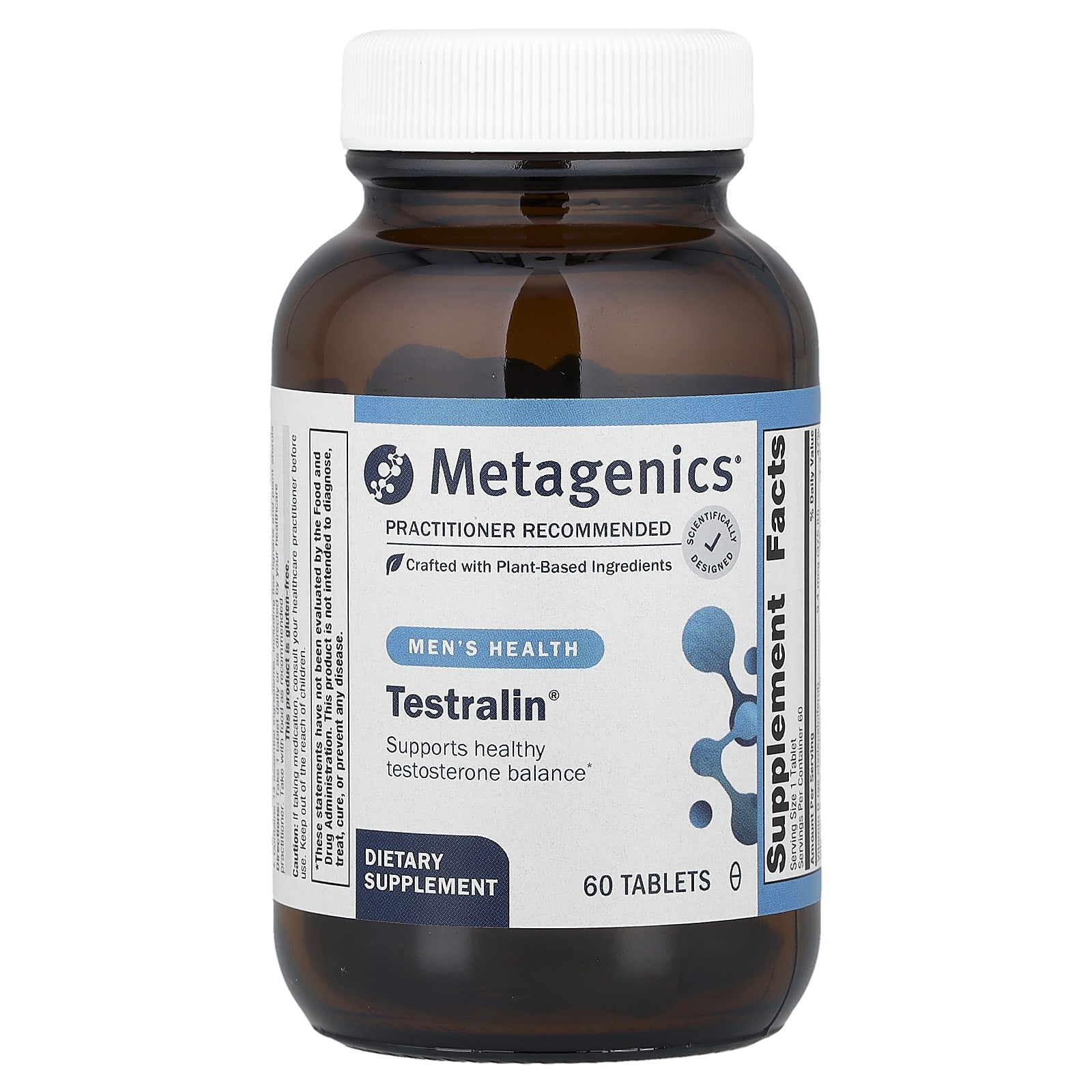
Testralin
Metagenics

Testralin

Vitamin D 9.4 mcg · Vitamin B6 25 mg · Vitamin B12 15 mcg · +10 more
Label on file (NIH DSLD)
$1.37Per dayAt the label maximum of 1 tablet a day.$81.99 · Per pack
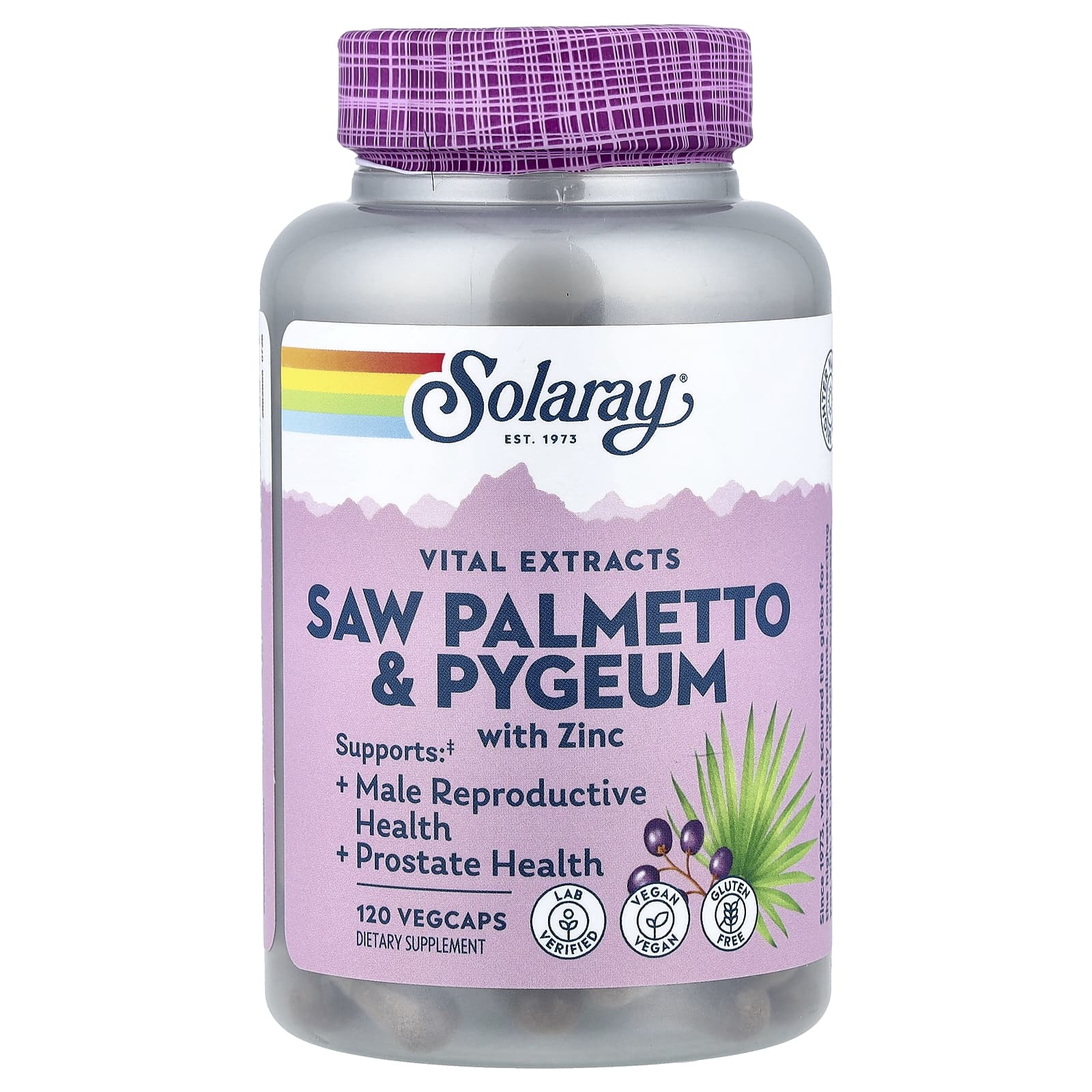
Saw Palmetto & Pygeum with Zinc
Solaray

Saw Palmetto & Pygeum with Zinc

Vitamin B6 20 mg · Zinc 15 mg · Saw Palmetto Berry Oil 320 mg · +1 more
Label on file (NIH DSLD)
$1.57Per dayAt the label maximum of 4 capsules a day.$46.99 · Per pack
Clinical Strength Prostate-B
Protocol For Life Balance

Clinical Strength Prostate-B

Vitamin D3 10 mcg · Zinc 15 mg · Selenium 70 mcg · +11 more
Label on file (NIH DSLD)
$1.57Per dayAt the label maximum of 3 softgels a day.$46.99 · Per pack
Pros-T
LifeSeasons Therapeutics

Pros-T

Vitamin D3 50 mcg · Vitamin B6 10 mg · Zinc 15 mg · +6 more
Label on file (NIH DSLD)
$1.63Per dayAt the label maximum of 2 softgels a day.$48.99 · Per pack
ModuChol Daily Heart Support
ModuChol

ModuChol Daily Heart Support

Plant Sterol Ester 650 mg · At the recorded label maximum: 2,600 mg per day (4 capsules × 650 mg)
Label on file (NIH DSLD)
$1.75Per dayAt the label maximum of 4 capsules a day.$26.24 · Per pack

Lowest price per day first. Status shown for the United States.

Not sure what to choose, or couldn’t find what you were looking for? Ask our expert

Information, not a prescription. Do not start, stop or combine supplements or medicines on your own. If you have a health condition, are pregnant or breastfeeding, take medicines, or are under 18, talk to a doctor or pharmacist first.